Finding low cost travel destinations for introverts that aren’t just “go somewhere rural and stare at a field” takes more thought than most travel lists put in. I’m a card-carrying introvert who spent years avoiding travel because every recommendation felt like it was designed for someone who considers a crowded rooftop bar the highlight of their evening. It took me an embarrassingly long time to realize that the world is full of places built for quiet, depth, and solitude that also happen to be incredibly affordable. These are those places.
1. Chiang Mai, Thailand
Chiang Mai is the introvert’s version of Southeast Asia done right. Where Bangkok buzzes with relentless energy and noise, Chiang Mai breathes. The city sits in a valley surrounded by mountains, filled with ancient temples, night markets that don’t feel overwhelming, and a café culture so developed that staying in one place for three hours with a book and a good coffee is not just accepted, it’s basically the local religion.
Daily costs run $20 to $35 depending on your accommodation choice. Guesthouses near Nimman Road or inside the old city walls go for $12 to $20 a night and are often genuinely charming rather than just cheap. The Sunday Walking Street market is manageable even for introverts who find crowds draining because it’s spread out and easy to exit. Doi Suthep temple sits above the city and offers mountain views and genuine quiet if you visit early morning before tour groups arrive.
2. Tbilisi, Georgia
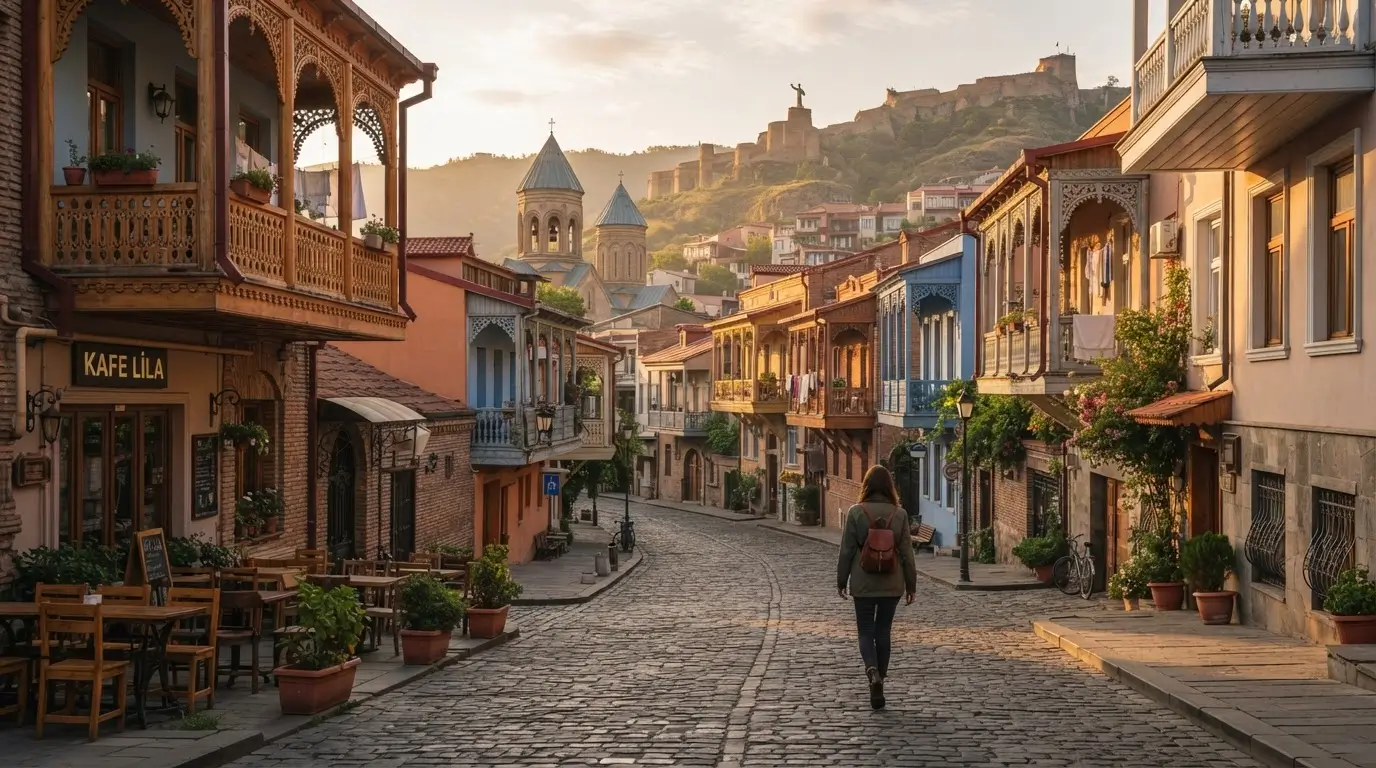
Georgia, the country, not the state, is one of the most underrated introvert destinations on the planet right now. Tbilisi has this ancient, layered quality that rewards slow exploration over packed itineraries. The old town feels like it was built specifically for wandering alone, with narrow cobblestone streets, carved wooden balconies overhanging the alleys, and sulfur bathhouses where you can book a private room and soak in silence for an hour for about $8.
Budget-wise, Georgia is extraordinary. A full meal at a traditional Georgian restaurant costs $5 to $8 and usually involves more food than one person can finish. Wine is cheaper than water in some places, which is either delightful or dangerous depending on your relationship with khachapuri and good Rkatsiteli. Hostels and guesthouses run $10 to $18 a night. The country also has some of the most dramatic mountain scenery in Europe, accessible by cheap marshrutka minibus, perfect for solo day trips that require zero social interaction.
3. Kyoto, Japan
Kyoto is almost designed for introverts. The city runs on a culture of quiet respect, personal space, and unhurried movement that feels like a genuine relief if your everyday life involves too many people and too much noise. Temples and zen gardens exist specifically for stillness. The Arashiyama Bamboo Grove at 6 AM, before a single tourist arrives, is one of the most peaceful experiences I’ve ever had anywhere.
Japan has a reputation for being expensive, but Kyoto is manageable on an introvert’s budget if you approach it right. Convenience stores like 7-Eleven and Lawson sell genuinely good, cheap meals. A bowl of ramen at a small local shop costs $7 to $10. Many temples charge $4 to $6 entry. Budget guesthouses and capsule hotels offer private pods with curtains that are, honestly, kind of perfect for people who find shared spaces draining. Daily costs sit around $40 to $60 if you’re thoughtful about spending.
4. Ljubljana, Slovenia
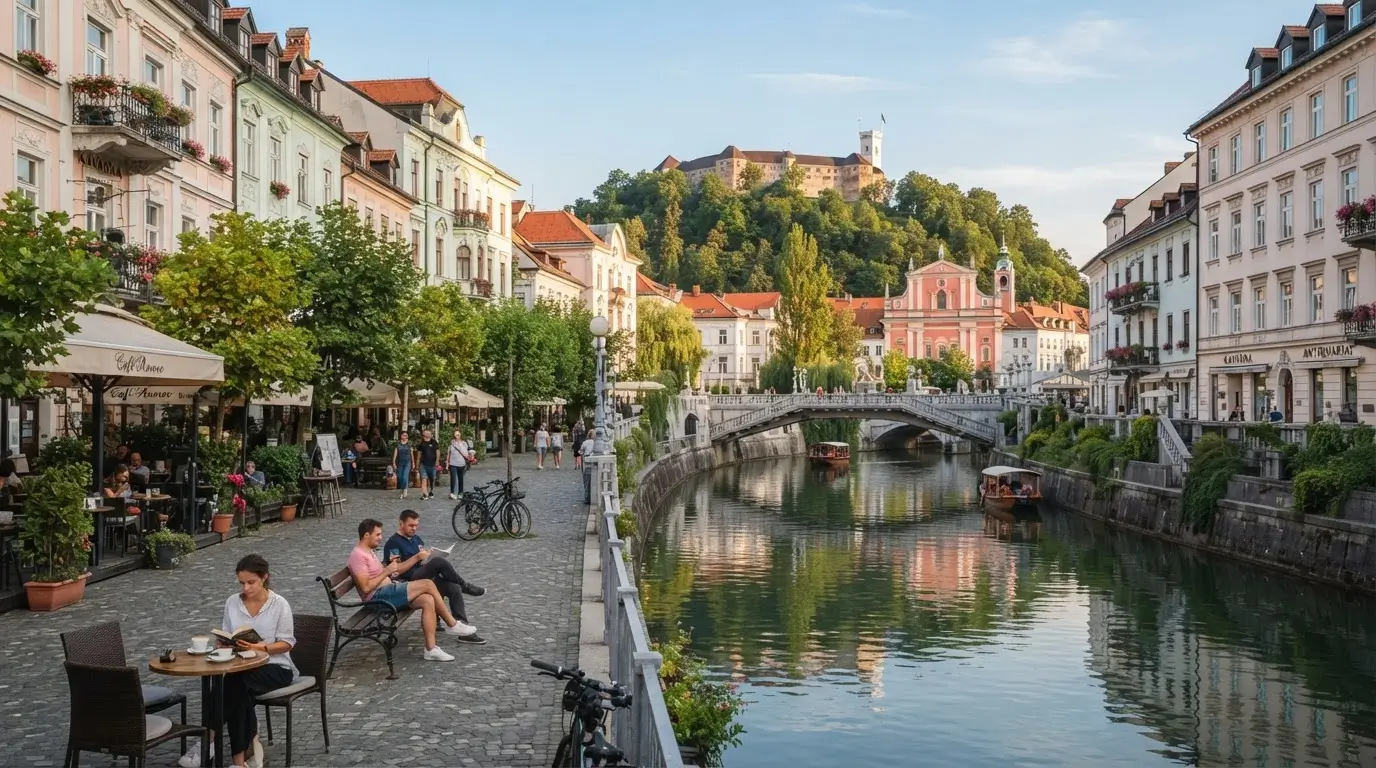
Ljubljana is a small capital city that most travelers walk straight past on their way to Croatia or Austria, which is exactly what makes it so good for introverts. The entire old town is car-free, the Ljubljanica River runs quietly through the center, and the general pace of life operates at roughly half the speed of every other European capital. It feels like someone took all the charm of Prague and removed eighty percent of the tourists.
Costs are genuinely low for Central Europe. A sit-down lunch at a local restaurant runs $8 to $12. A coffee at a riverside café costs $2 to $3 and nobody will rush you out. Day trips to Lake Bled, one of the most beautiful lakes in Europe, cost about $5 by bus and the lake itself has quiet corners that the Instagram crowds never find if you walk fifteen minutes past the main viewpoint. Ljubljana rewards slow travelers who have nowhere specific to be.
5. Medellín, Colombia
Medellín earns its place on low cost travel destination lists regularly, but its introvert credentials are less discussed and genuinely impressive. The city has excellent infrastructure for people who want to explore independently without joining group tours or making constant social decisions. The Metro system is clean, cheap, and easy to navigate alone. Neighborhoods like El Poblado and Laureles have excellent café culture where working or reading alone for hours is completely normal.
A daily budget of $25 to $40 covers a private room in a well-reviewed guesthouse, three meals, and local transport with room to spare. The botanical garden is free, peaceful, and visited more by locals reading on benches than by tour groups. For introverts who find nightlife exhausting but still want a city with genuine culture and energy, Medellín hits a rare balance. You can engage as much or as little as you want, and the city doesn’t pressure you either way.
6. Porto, Portugal
Lisbon gets the attention but Porto suits introverts better. It’s smaller, quieter, and has a slightly melancholic quality built into its architecture and its famous fado music tradition that feels made for people who enjoy sitting with their thoughts. The Ribeira waterfront district is beautiful without being frenetic. The port wine cellars across the river in Vila Nova de Gaia offer guided tastings that are structured and low-pressure, perfect for solo visitors who want an experience without having to be “on.”
Costs run slightly lower than Lisbon. A private room in a guesthouse goes for $25 to $40 a night. A francesinha, Porto’s famous layered meat sandwich with spicy sauce, costs $8 to $12 at a local café and is aggressively filling. The Livraria Lello bookshop, one of the most beautiful in the world, costs $5 to enter and is worth every cent for anyone who considers bookshops a legitimate travel destination. Porto is the kind of city introverts return to.
7. Hoi An, Vietnam
Hoi An is small, walkable, and genuinely beautiful in a way that doesn’t require you to do much to appreciate it. The ancient town is a UNESCO World Heritage site filled with lantern-lit streets, tailor shops, and riverside cafés where an afternoon can disappear completely without any effort. It’s the kind of place where having no plans whatsoever is the correct itinerary.
Street food here is some of the cheapest and best in Vietnam. White rose dumplings and cao lau noodles cost $1 to $2 a serving. Guesthouses and small boutique hotels run $15 to $30 a night and are often genuinely lovely. Renting a bicycle for $2 a day lets you explore the surrounding rice paddies and coastal villages at your own pace without joining a tour or talking to anyone you don’t want to. Hoi An rewards the kind of travel that looks like not doing very much but actually feels deeply restorative.
8. Tallinn, Estonia
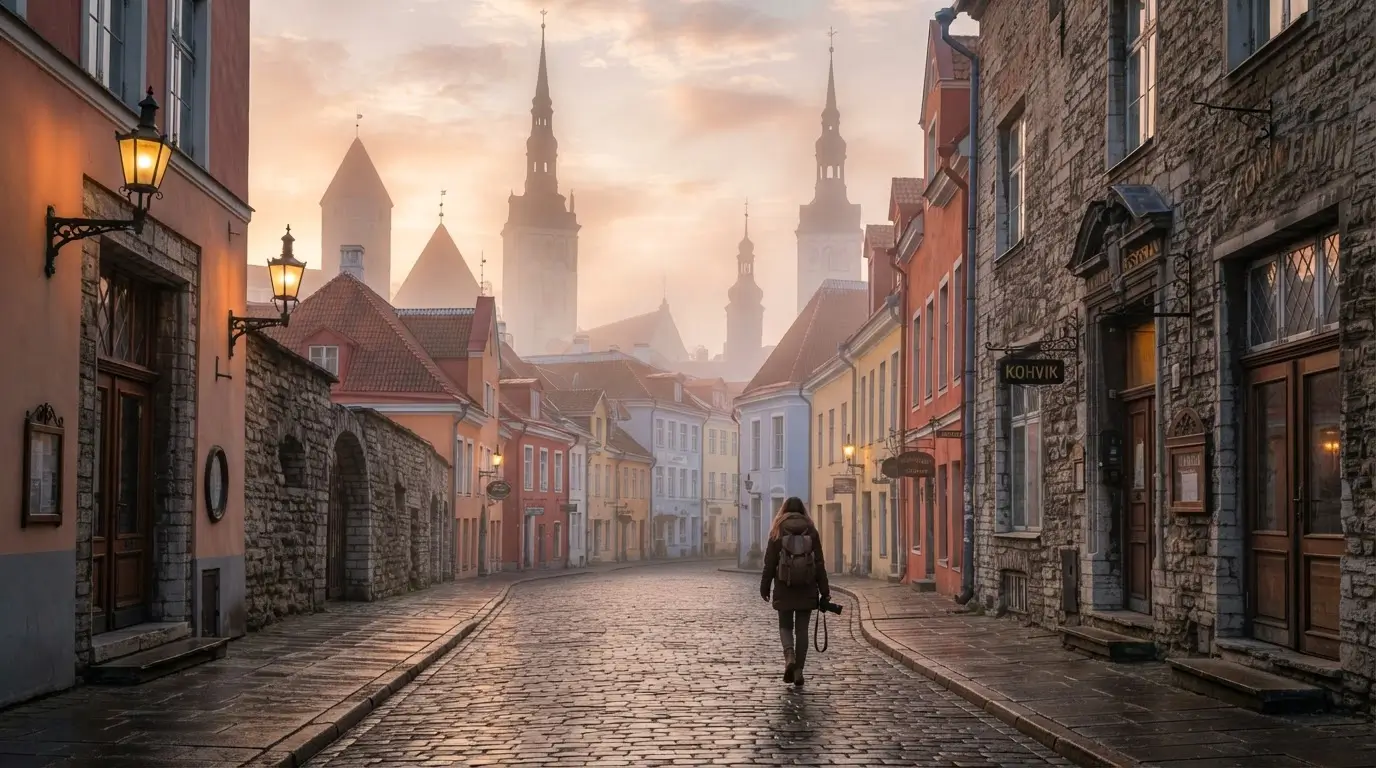
Tallinn’s medieval old town is so well preserved it feels slightly unreal, like someone built a film set and forgot to tell the residents. Walking its cobblestone streets alone on a quiet Tuesday morning, with the city walls rising around you and almost nobody else in sight, is the kind of experience that introverts specifically seek out and rarely find in more popular destinations.
Estonia is affordable by Northern European standards. A hostel private room runs $20 to $35 a night. A bowl of traditional black bread soup or elk stew at a local restaurant costs $6 to $10. The Telliskivi Creative City neighborhood has excellent independent cafés where solo visitors blend in completely and nobody raises an eyebrow at someone sitting alone with a laptop or a paperback for two hours. Outside Tallinn, the coastal towns and forests are accessible cheaply and offer the kind of deep quiet that genuinely recharges introverted energy.
9. Oaxaca, Mexico
Oaxaca operates at a frequency that suits introverts remarkably well. The city is compact, walkable, and organized around its central zócalo in a way that makes independent exploration feel natural rather than effortful. The food scene is extraordinary, and eating alone in Oaxaca carries zero social awkwardness because the food itself commands complete attention. You will not feel lonely at a table with a bowl of mole negro in front of you.
Daily costs sit comfortably at $30 to $50 including a private room, three meals, and a mezcal or two in the evening. The Monte Albán ruins outside the city can be visited independently, and arriving early means you’ll spend time among ancient Zapotec structures with almost no one else around. The craft markets in and around the city are browsable without pressure. Oaxaca is a city where solitude feels chosen rather than imposed.
10. Plovdiv, Bulgaria
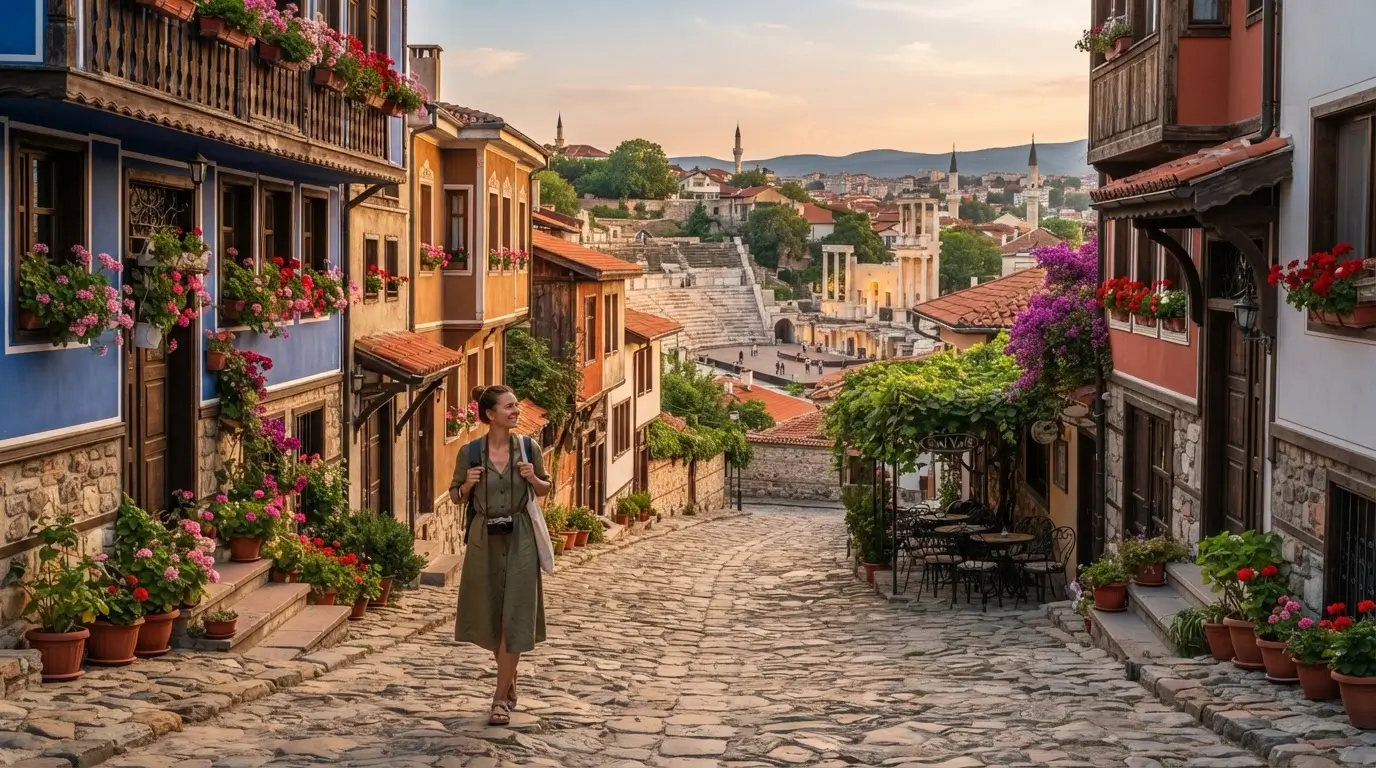
Plovdiv is Bulgaria’s second city and almost entirely overlooked by international travelers, which makes it close to perfect for introverts who find over-touristed destinations genuinely exhausting. The old town sits on three hills with colorful National Revival period houses, Roman ruins built directly into the modern city, and an arts district called Kapana that hums with creative energy without ever feeling chaotic.
Bulgaria is one of the cheapest countries in Europe, full stop. A private room in a well-reviewed guesthouse runs $15 to $25 a night. A full traditional meal with a beer costs $5 to $8. The Roman Amphitheatre in the center of the old town is free to view from outside and costs a few dollars to enter. Day trips to the Bachkovo Monastery through forested gorges take about an hour by bus and cost less than $3 round trip. Plovdiv gives you depth, beauty, and almost no one pushing you to be more social than you naturally are.
How to Travel as an Introvert Without Burning Out
Destination choice matters, but how you structure your days matters just as much. Low cost travel destinations for introverts work best when the travel style matches the personality.
Build in Non-Negotiable Solo Time
Even on group trips or in social hostels, protect a portion of every day for complete solitude. Morning walks alone, solo café time after dinner, or an afternoon museum visit without anyone else sets a recovery rhythm that makes the rest of the trip sustainable. Treat it like an appointment you can’t cancel.
Book Private Rooms Even on a Tight Budget
Shared dorms save money but cost energy. For genuine introverts, the constant low-level social awareness of a shared space is exhausting in a way that compounds over days. A private room costs $10 to $20 more per night in most budget destinations and returns that investment in mental clarity and genuine rest. Consider it a non-negotiable line item rather than an optional upgrade.
Choose Slow Travel Over Constant Movement
Moving cities every two days is an extrovert’s travel style. Introverts tend to travel better when they stay in one place long enough to develop a routine, find their corner café, know which market stall has the best breakfast, and stop feeling like a stranger navigating somewhere new. Staying five to seven days in one place costs less overall and feels significantly more restorative.
Frequently Asked Questions
What makes a destination good for introverts specifically?
The best destinations for introverts offer easy independent navigation, strong café and bookshop culture, outdoor spaces where solitude is natural, and a local pace that doesn’t feel rushed or performative. Cities where solo visitors blend in easily and where there’s no social pressure to join group activities consistently score highest. Depth of experience matters more than volume of attractions.
Are low cost travel destinations for introverts safe for solo travelers?
Most of the destinations on this list rank highly for solo traveler safety. Kyoto, Tallinn, Ljubljana, and Chiang Mai are consistently cited as among the safest cities in the world for independent travelers. Standard precautions apply everywhere, stay aware of your surroundings, use reputable accommodation, and share your itinerary with someone at home. Safety and affordability are not mutually exclusive.
How do introverts handle social situations like hostels or group tours?
Private rooms in hostels eliminate most of the forced social dynamic while keeping costs reasonable. For tours, opt for small group options of six people or fewer, or hire a private guide for a few hours instead. Many introverts find that one meaningful conversation with a local or fellow traveler per day is genuinely satisfying without the exhausting obligation of constant group interaction.
What is the best time of year to visit these destinations to avoid crowds?
Shoulder seasons consistently offer the best balance of good weather and manageable crowds. Kyoto in November and early March, Chiang Mai in October and February, Porto in April and October, and Tallinn in May and September all hit that sweet spot. Avoiding school holiday periods and major local festivals unless you specifically want that energy keeps things quieter and often cheaper.
How do introverts find genuine connection while traveling solo?
The best connections for introverts tend to happen in structured, low-pressure environments. Cooking classes, language exchanges, free walking tours with small groups, and long stays at one accommodation where you naturally cross paths with the same people repeatedly all work better than forced social hostel common rooms. Introverts connect deeply when the context makes it easy rather than obligatory.
Conclusion
Introvert travel isn’t about hiding from the world. It’s about choosing the parts of the world that actually restore you rather than deplete you, and doing it without spending more than you need to. Every place on this list gave me something I couldn’t have found in a crowded tourist hotspot, and most of them cost less than a weekend in a major city. Which one feels like it was built for you?