

The best travel destinations for empty nesters share one quality that every recommendation on this list delivers: they reward people who finally have the time, the freedom, and the emotional bandwidth to actually experience a place rather than just survive it. I remember the first trip my husband and I took after our youngest left for college. We sat at a restaurant in Lisbon at 9 PM, ordered a second bottle of wine without calculating anyone’s bedtime, and looked at each other like we’d discovered something we thought was gone forever. It wasn’t gone. It was just waiting. Here’s where to take it.
1. Lisbon, Portugal
Lisbon keeps appearing on travel lists for good reason, and for empty nesters specifically it hits different than it does for any other traveler demographic. The city operates at a pace that rewards people who have nowhere specific to be. Slow mornings with excellent coffee, long lunches that drift into afternoon wine, evening fado music in dimly lit restaurants in the Alfama district. None of this works when you’re managing children’s schedules. All of it works spectacularly when you’re not.
Costs are reasonable for Western Europe. A well-reviewed boutique hotel in the Chiado or Baixa neighborhoods runs $100 to $180 a night, which feels entirely justified when you factor in the quality of the surroundings. Meals at proper sit-down restaurants with wine run $30 to $50 for two. The city is walkable, safe, and endlessly interesting without ever feeling exhausting. Lisbon is the destination that makes empty nesters wonder why they waited so long to come back to Europe on their own terms.
2. Japan
Japan is the trip that empty nesters consistently describe as the one that reset something in them. The country operates on a frequency entirely different from anywhere in the Western world, and experiencing that difference without the responsibility of managing children through it is a completely different proposition. You can linger in a temple garden for two hours because the stillness moved you. Nobody needs a snack. Nobody needs a bathroom. Nobody is bored.
Tokyo delivers urban energy, extraordinary food, and a nightlife scene that runs from Michelin-starred omakase dinners to tiny basement jazz bars that seat twelve people. Kyoto offers the counterpoint with its temples, traditional tea houses, and ryokan inns where you sleep on tatami mats and wake up to a multi-course Japanese breakfast that takes forty minutes to eat properly. Hiroshima adds historical weight that many empty nesters, who have the emotional maturity and time to sit with difficult history, find genuinely profound. Japan Airlines and ANA regularly offer round trips from the U.S. for $700 to $900, and daily costs of $100 to $150 for two people are very manageable.
3. Italy’s Amalfi Coast
The Amalfi Coast is the kind of place that exists in the imagination of most couples for decades before they actually get there. Empty nesters finally have the conditions to do it properly: no rush, no budget carved up by four plane tickets, no negotiating with teenagers about whether the beach or the museum wins today. You can spend a morning on a boat, an afternoon with limoncello on a terrace, and an evening eating the freshest seafood pasta you’ve ever tasted without a single competing agenda.
Positano, Ravello, and Praiano each offer a slightly different version of the same extraordinary setting. Ravello is the quietest and most romantic of the three, sitting high above the coast with views that make every other view you’ve ever seen feel slightly inadequate. Accommodation ranges from moderate to expensive, with good hotels running $150 to $300 a night in peak season. Shoulder season in April, May, or October cuts those prices significantly while keeping the weather genuinely beautiful. Rent a small boat for a day, drive the coastal road with the windows down, eat as much burrata as your conscience allows.
4. New Zealand
New Zealand is built for people who want adventure without roughing it. The country combines dramatic, almost unrealistic natural beauty with excellent infrastructure, English as the primary language, and a hospitality culture that feels genuinely warm rather than transactional. For empty nesters who spent twenty years watching nature documentaries and thinking “someday,” New Zealand is the someday destination.
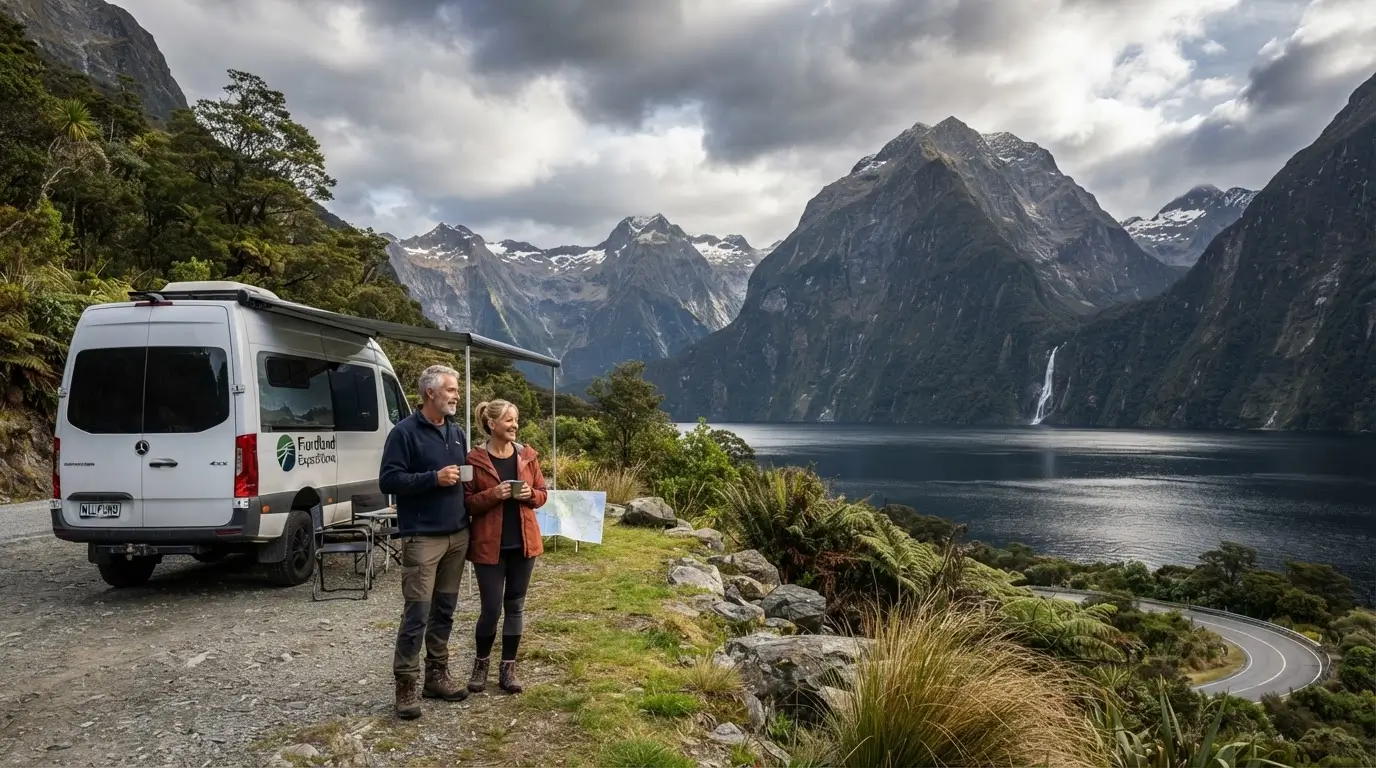
The South Island is the natural starting point for most first-time visitors. Queenstown offers everything from wine region day trips to bungee jumping to glacier hikes, depending on how adventurous your empty nest phase feels. Milford Sound is one of the most breathtaking places on earth and accessible by a scenic drive or small aircraft flight that makes the experience feel appropriately cinematic. The North Island adds geothermal landscapes, Maori culture, and the wine country of Hawke’s Bay. A campervan rental from companies like Jucy or Wilderness Motorhomes combines transport and accommodation into one manageable cost and lets you stop wherever looks interesting, which is everywhere.
5. Greece
Greece has been on the bucket list of most empty nesters for long enough that it carries genuine emotional weight by the time people actually book it. The good news is that it delivers. The islands, the history, the food, the light at 6 PM over whitewashed buildings and blue water. All of it is real and all of it is worth the wait.
The smart empty nester approach to Greece skips peak Santorini pricing and explores the islands that offer equivalent beauty with significantly more authenticity and lower costs. Naxos is the largest of the Cyclades with excellent beaches, a charming old town, and local restaurants that serve the best fresh fish you’ll find anywhere in Greece without the tourist markup of more famous islands. Crete offers an entire country’s worth of variety, with mountain villages, archaeological sites, beach towns, and a food culture that could support a week of eating alone. Island hopping by ferry is cheap, comfortable on modern vessels, and gives the trip a sense of adventure that flying between destinations doesn’t replicate.
6. Patagonia, Argentina and Chile
Patagonia is the destination for empty nesters who have been putting off the big adventure trip and have finally run out of reasons to keep waiting. The landscapes are genuinely unlike anything else on earth. Torres del Paine in Chile and Los Glaciares in Argentina offer trekking, glacier viewing, condor sightings, and a sense of scale that resets your perspective on almost everything.
You don’t need to be an extreme athlete to experience Patagonia meaningfully. EcoCamp Patagonia and several other lodges offer guided day hikes with comfortable accommodation and excellent meals, making the experience accessible to reasonably fit travelers without demanding serious mountaineering. The shoulder seasons of November and March offer the best balance of decent weather and manageable crowds. Flights into Punta Arenas or Puerto Natales from Santiago are short and cheap. Buenos Aires makes a natural addition to the itinerary for urban contrast, tango, and some of the best steak you will eat in your life at prices that feel almost irresponsible.
7. Morocco
Morocco rewards travelers who have enough life experience to move through difference with curiosity rather than anxiety, which describes most empty nesters perfectly. The medinas of Marrakech and Fes are disorienting, vibrant, and completely unlike anywhere in the Western world, and navigating them as a couple or solo traveler with no schedule pressure is a genuinely extraordinary experience.
Stay in a riad, the traditional courtyard guesthouses that are concentrated in the medina neighborhoods of every major city. Good riads run $60 to $120 a night and typically include breakfast, beautiful architecture, and a level of personal hospitality that chain hotels can’t replicate. The food is extraordinary: tagines slow-cooked with preserved lemons and olives, couscous piled high with vegetables and lamb, pastilla that somehow combines sweet and savory in a way that takes several bites to fully process. Day trips to the Atlas Mountains, the Sahara Desert, and the coastal town of Essaouira add dimension to a Marrakech base. Morocco is the destination that generates the best dinner party stories of anyone’s empty nester travel phase.

8. Scotland
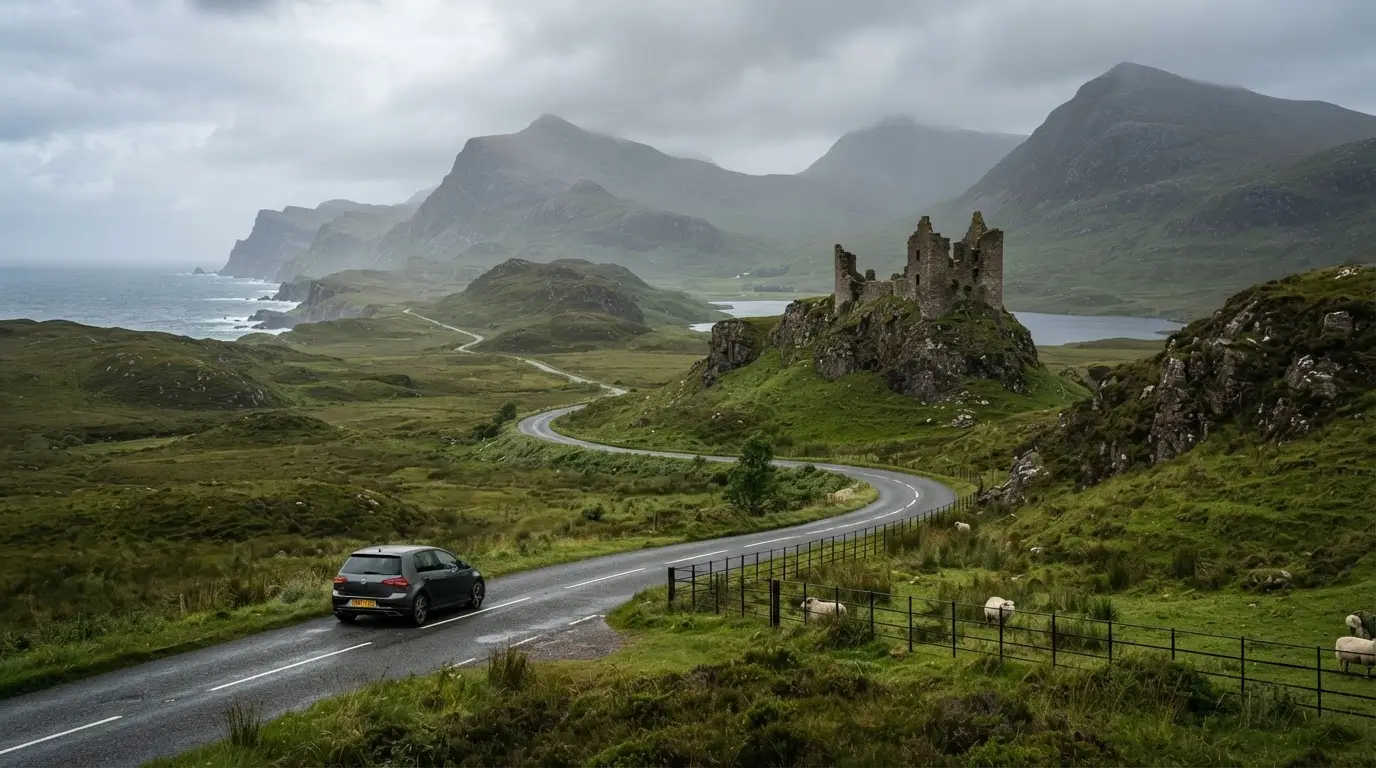
Scotland suits empty nesters in a specific way that’s hard to articulate but immediately recognizable once you’re there. There’s a depth to the landscape and the history that rewards people who have the patience and the emotional context to appreciate it. Standing on the Isle of Skye looking out at the Quiraing with wind coming off the Atlantic isn’t an experience that registers the same way at thirty as it does at fifty-five. Some places are better understood later in life.
The North Coast 500, Scotland’s answer to the American road trip, loops 516 miles around the northern Highlands with castles, whisky distilleries, dramatic coastal cliffs, and villages that look unchanged from a century ago. Driving it over seven to ten days at a comfortable pace with no agenda beyond following the road is one of the most satisfying travel experiences available in Europe. Accommodation ranges from budget-friendly B&Bs at $80 to $120 a night to converted castle hotels for special occasion nights. Scotland is also genuinely affordable by Western European standards, especially outside Edinburgh during festival season.
9. Vietnam and Cambodia
Southeast Asia in your fifties and sixties looks completely different from the backpacker version you might have experienced in your twenties, and that difference is almost entirely positive. You stay in better accommodation, eat at better restaurants, take private tours instead of group buses, and bring a level of cultural curiosity that makes the history and complexity of the region genuinely land rather than just wash over you.
Vietnam’s north to south journey from Hanoi through Hoi An to Ho Chi Minh City is one of the great travel itineraries in the world. Add Cambodia for Angkor Wat, which is one of those places that photographs cannot adequately prepare you for regardless of how many you’ve seen. The temples at sunrise, before the crowds arrive, with mist still hanging over the reflecting pools, is the kind of moment empty nesters mean when they talk about travel changing something in them. Daily costs for two people traveling comfortably run $100 to $150, staying in good boutique hotels and eating at proper restaurants rather than street stalls exclusively.
10. The American Southwest
Not every great empty nester trip requires a passport or a transatlantic flight. The American Southwest offers some of the most dramatic, spiritually resonant landscapes on earth, and exploring them properly requires exactly what empty nesters now have: time, flexibility, and the ability to stand somewhere extraordinary without anyone asking what’s for dinner.
A circuit through Sedona, the Grand Canyon, Zion, Bryce Canyon, and Monument Valley covers enough visual variety to fill two weeks without ever repeating itself. Sedona specifically resonates with many empty nesters for its combination of stunning red rock scenery, excellent restaurants, spa culture, and the particular quality of light at sunset that makes every evening feel cinematic. The America the Beautiful annual pass covers all national park entry fees for $80, making the parks portion of any Southwest road trip extraordinarily affordable. Accommodation ranges from budget motels to boutique glamping properties depending on how luxurious you want the empty nest chapter to feel.
Planning Tips Specific to Empty Nesters
Traveling as an empty nester involves a different set of priorities and a different set of pitfalls than any other travel phase.
Resist Over-Scheduling Out of Old Habit
Parents spend years managing packed family schedules and often carry that habit directly into empty nester travel without realizing it. A trip where every hour is accounted for and every attraction is pre-booked is not a vacation. It’s a different kind of management. Leave days completely open. The best experiences of most empty nester trips happen when there was nothing planned and something unexpected appeared. Trust the unscheduled time.
Invest in Quality Over Quantity
Empty nesters often have more financial flexibility than they did during the family travel years and less physical energy for budget travel logistics. This is the travel phase where upgrading to a better hotel room, booking a private guide instead of a group tour, and choosing the direct flight over the two-stop bargain flight makes the whole experience significantly more enjoyable. Quality travel isn’t extravagance. It’s matching the experience to the life stage.
Consider Slow Travel for the First Time
Empty nesters are the ideal demographic for slow travel, spending two to four weeks in one place rather than racing through five countries in ten days. Renting an apartment in Lisbon for a month, or a farmhouse in Tuscany for two weeks, gives you time to develop a neighborhood routine, cook with local ingredients, make acquaintances rather than just brief encounters, and actually feel what it’s like to live somewhere rather than just visit it. Vrbo and HomeAway have excellent long-term rental inventory in most popular empty nester destinations.
Frequently Asked Questions
What are the best travel destinations for empty nesters traveling as a couple?
Italy, Portugal, Japan, and Greece consistently top the list for couples entering the empty nester phase. All four offer romantic atmosphere, excellent food and wine culture, and enough depth to reward longer stays. For adventure-focused couples, New Zealand and Patagonia deliver extraordinary shared experiences that strengthen relationships in the way that genuinely challenging, beautiful environments tend to.
How do empty nesters afford extended international travel?
The empty nester phase often coincides with reduced household expenses as children leave, creating budget space that didn’t previously exist. Travel rewards credit cards that have accumulated points during high-spending family years can fund flights and hotels significantly. Slow travel that involves renting rather than hoteling reduces per-night accommodation costs. Off-peak travel cuts prices across flights, accommodation, and activities simultaneously.
Is travel safe for empty nesters with health considerations?
Most popular empty nester destinations have excellent healthcare infrastructure. Travel insurance that covers pre-existing conditions and medical evacuation is essential rather than optional at this life stage. Allianz and Travel Guard both offer senior-friendly policies with reasonable premiums. Consulting your doctor before any international trip about vaccinations, medication supplies, and destination-specific health considerations is standard practice that most experienced travelers treat as non-negotiable.
What is the best way for empty nesters to meet other travelers their age?
Small group tour companies specifically targeting the 50-plus demographic offer structured social environments that suit many empty nesters. Overseas Adventure Travel and Grand Circle Travel specialize in this demographic with itineraries designed for active older travelers. River cruising on lines like Viking and AmaWaterways naturally attracts empty nesters and provides built-in social opportunities without the forced communal energy of younger-skewing backpacker hostels.
How long should an empty nester trip be to feel genuinely restorative?
Most empty nesters report that trips under five days don’t provide enough decompression time to feel truly restorative after years of family-focused living. Two weeks is the sweet spot for most couples and solo travelers, long enough to settle into a destination’s rhythm without the logistical complexity of very extended travel. For first-time empty nester trips, ten to fourteen days in one or two destinations beats a whirlwind tour of five countries for genuine satisfaction.
Conclusion
The empty nest phase is not the end of something. It’s the beginning of the most self-directed, unhurried, genuinely adventurous travel of your life, if you decide to treat it that way. Every destination on this list is waiting for someone who has finally stopped waiting. Which one is calling you loudest right now?